
1492
Leaving Spain
The Camondo family was only one of the thousands of Sephardic Jewish families who had to leave Spain in 1492, expelled by the monarchs after the Reconquista.

 Collection
True Story Behind the DeCamondo Brand

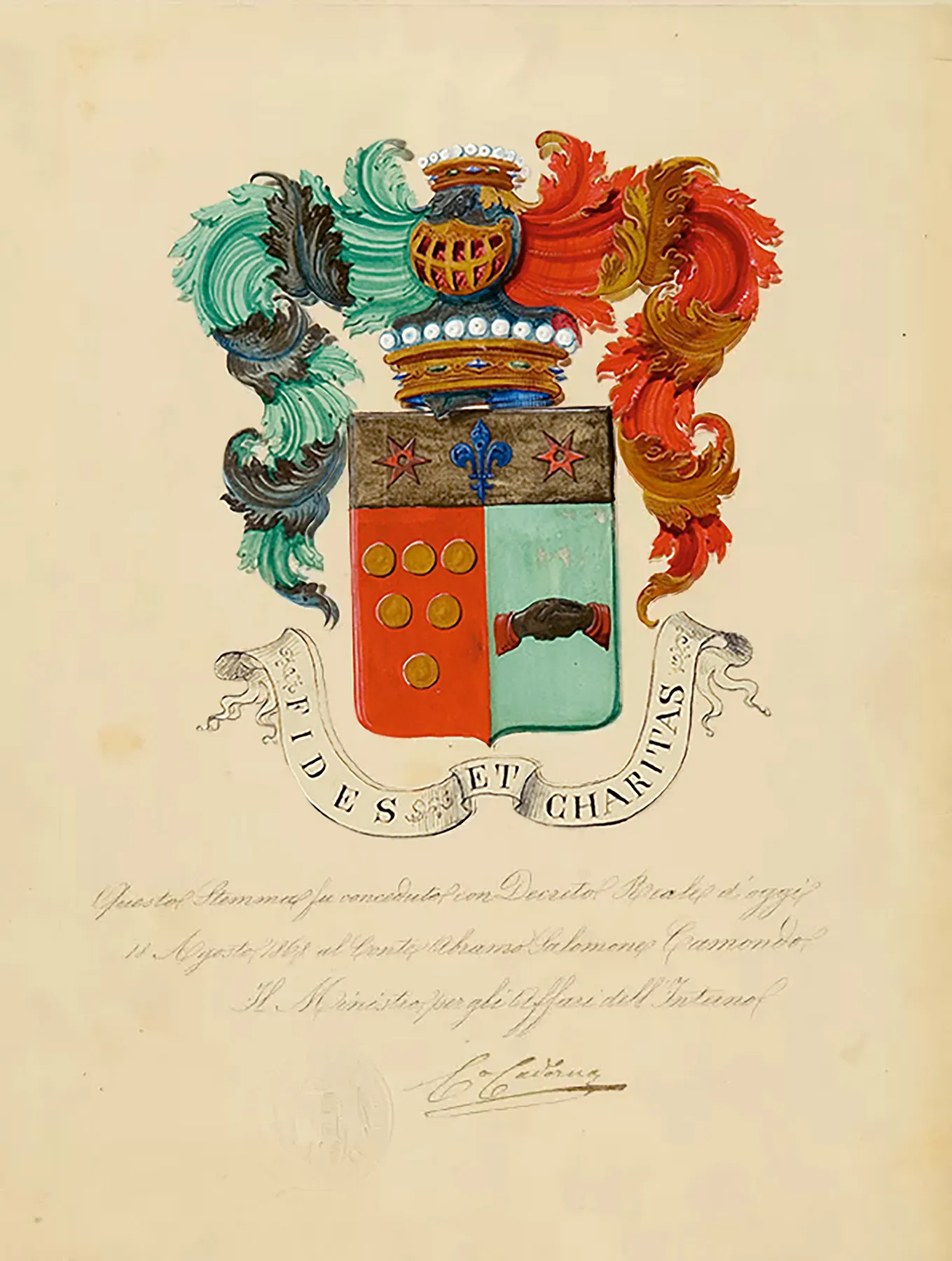
1492
The Camondo family was only one of the thousands of Sephardic Jewish families who had to leave Spain in 1492, expelled by the monarchs after the Reconquista.
1798
The family moved to Venice and then, when Venice came under Austrian rule in 1798, to the heart of the Ottoman Empire, Constantinople.
1802
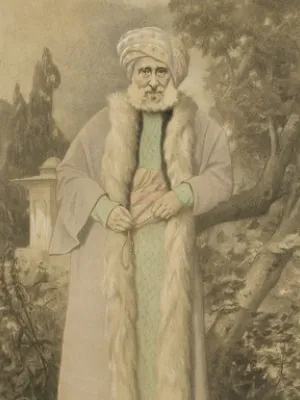
The family's fortune began with the banking company "Isaac Camondo & Cie", established under the leadership of Isaac Camondo in 1802.
"Isaac Camondo & Cie" grew so much and achieved such international success that it was the country's largest and strongest bank until the Ottoman Empire established its national bank. Their enormous wealth and their sustained involvement in Jewish communal life earned the family the nickname "Rothschilds of the East".
1853
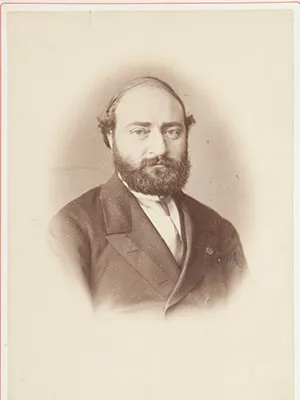
After Isaac's death, Abraham Salomon took over the business and continued to develop it. He established close business relationships with the reformist viziers, for whom the family sometimes acted as private bankers; they helped set up the modern banking system in Turkey and built one of the largest fortunes in the Turkish territories. Abraham Salomon gained various privileges from the government and even received a medal of honor for financing the Ottoman Empire during the Crimean War (1853–1856).
1872
By the end of the 19th century, the business of the Camondo family had grown further and had many companies in and outside Europe. In 1872, I. Camondo & Cie partnered with the growing Banque de Paris et des Pays-Bas (later Paribas) and, from 1876, Abraham Béhor became a member of the merchant bank's board of directors. Abraham Salomon de Camondo died in 1873 at the age of 93, shortly after settling in Paris. In accordance with his will, his body was brought to Istanbul and he was buried in the monumental tomb he had built at the Jewish Cemetery in Hasköy, in a magnificent state ceremony accompanied by the palace band. Some time later, another member of the family, Moïse de Camondo, also moved to Paris with his son Nissim and his daughter Béatrice. However, anti-Semitism gradually began to make itself felt in France.
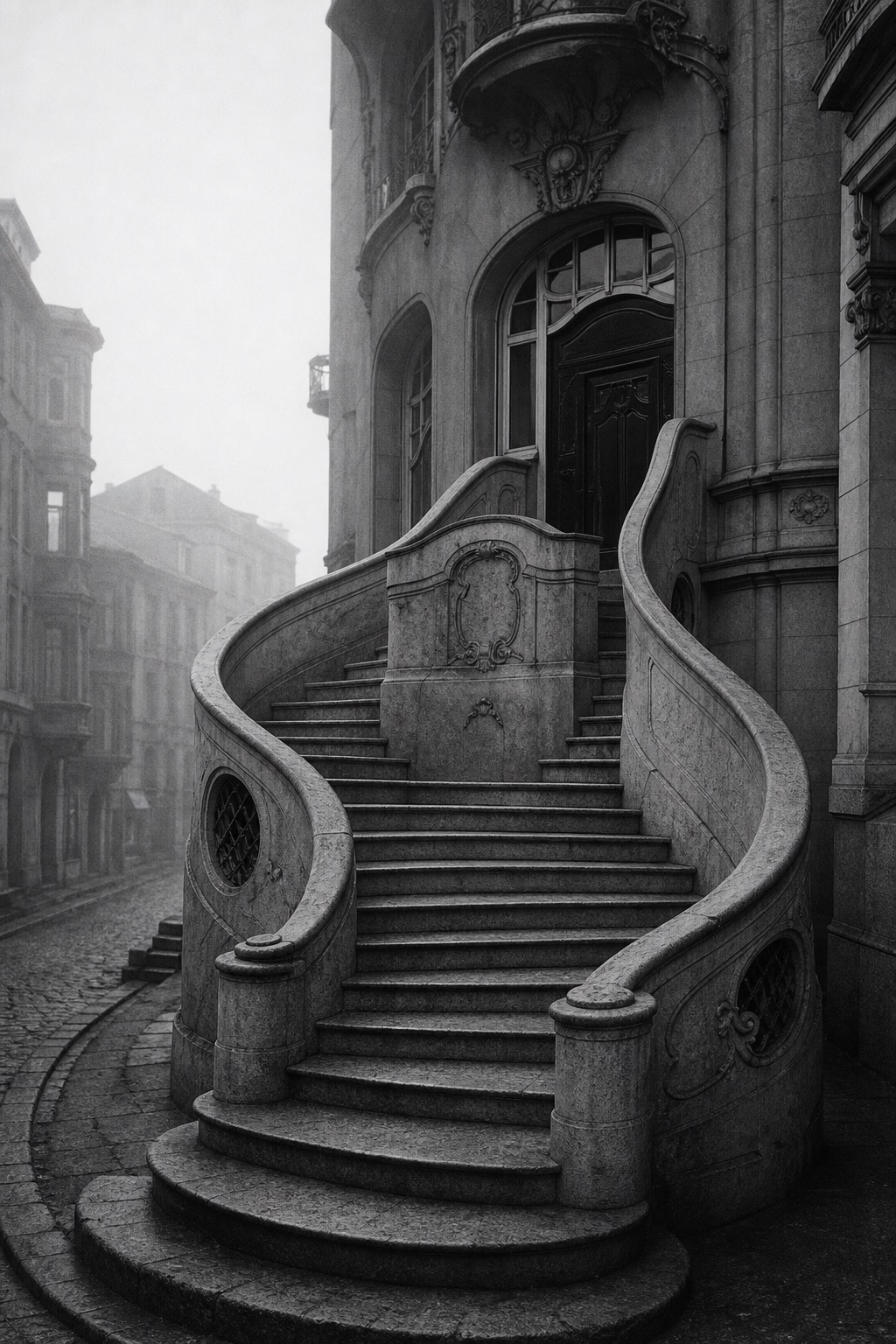
The name Camondo comes from the Spanish Casa de Mondo ("The House of the World"). True to this meaning, the family earned the respect and affection of the people with their philanthropy as well as their success in business, and left lasting traces in Istanbul, the Ottoman lands and France through numerous buildings: inns, apartment buildings and shops in Galata and Pera, mansions on the Bosphorus, vineyards, olive groves, factories, schools and, most famously, the Camondo Stairs, photographed by Henri Cartier-Bresson.
The famous Camondo Stairs were built by Abraham Camondo for his grandchildren, who were then studying at the Austrian High School, to spare them the long walk and shorten the way from their home to school. The stairs are in Karaköy, at the junction of Voyvoda Street and Banker Street, and were completed between 1870 and 1880.
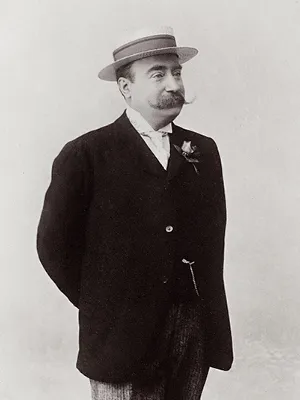
Isaac de Camondo, one of the most prominent art lovers of his time, donated valuable collections that today adorn the main museums of Paris. The most famous painting associated with the family is the portrait of Irène Cahen d'Anvers — who would become the last member of the Camondo family — painted by Renoir in 1880.
One of the most prominent works of the Camondo family is the Camondo Building, built in the cosmopolitan, historic part of Istanbul as the family's home by Gabriel Tedeschi, architect of the Ashkenazi Synagogue. Built in a neoclassical style with a symmetrical plan, the Camondo Building is now considered the most significant building in its neighbourhood.
After they left the country, the Camondo family donated the building to the Alliance Israélite Universelle to build a school. However, the school was never built, and the building continued to be used as apartments by Jewish families into the early 1940s.
1917
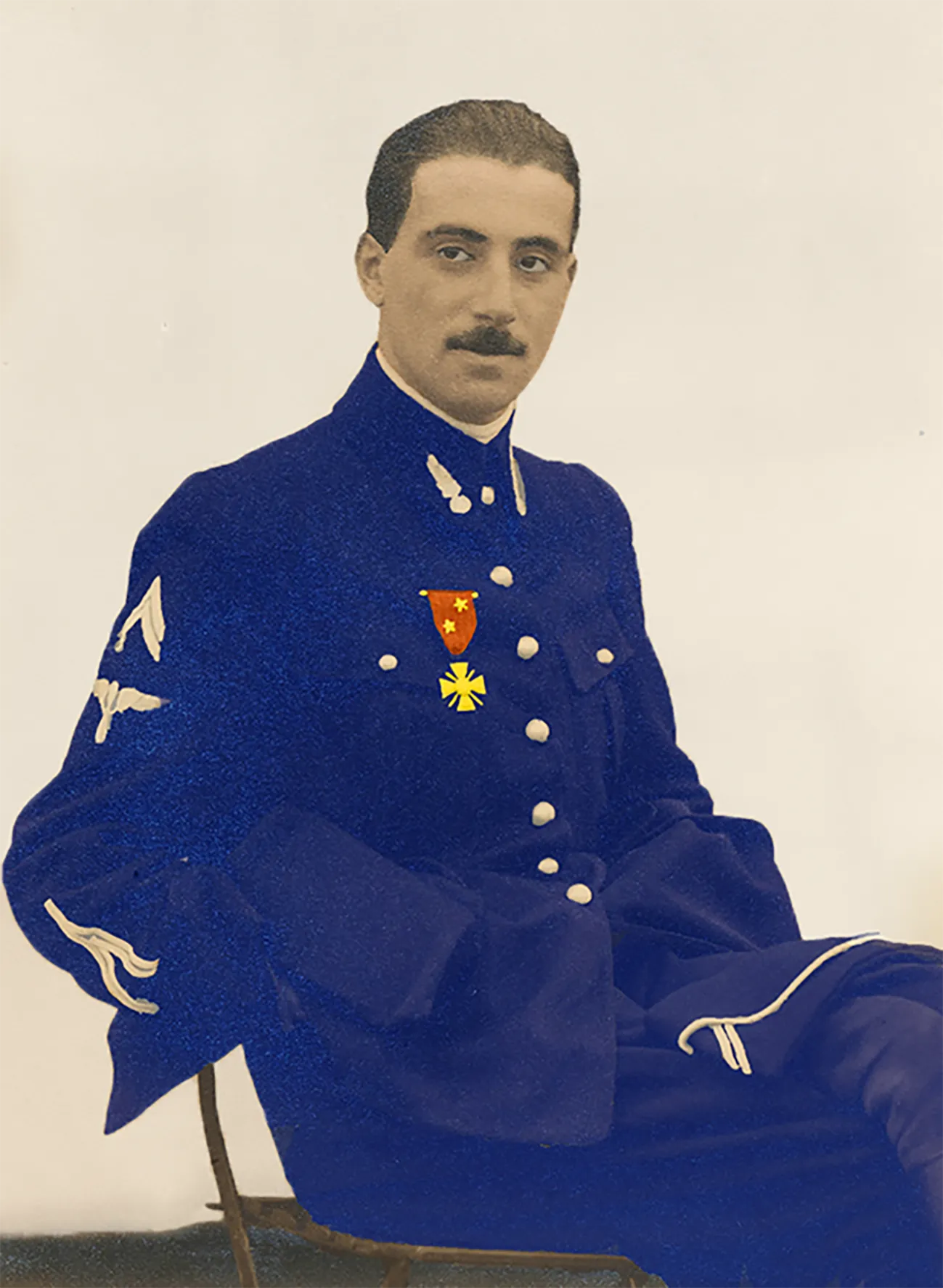
The grandson of Abraham Salomon's grandson, Nissim de Camondo (1892–1917), became the first member of the family to take French nationality. Nissim joined a regiment of hussars (a light cavalry unit of the French Army) in October 1911, after leaving the Lycée Janson de Sailly. During the battles of Verdun and the Somme he carried out numerous photographic missions and had many narrow escapes, earning several citations from the French Army. He was promoted to the rank of lieutenant in July 1916, gained his pilot's licence and served as a pilot. During a reconnaissance mission on 5 September 1917, his plane was shot down in aerial combat near Emberménil in Lorraine. He was buried in the Montmartre Cemetery.
1935
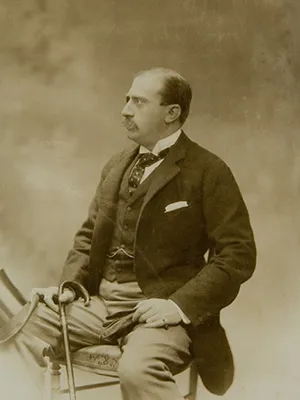
It is said that Moïse never recovered. After this tragic loss, Count Moïse de Camondo bequeathed his home to the Arts Décoratifs in memory of his son, as the "Musée Nissim de Camondo". The museum named after Nissim opened a year after Moïse died in 1935. Nissim's sister Béatrice, trusting in her family's standing, did not leave Paris during World War II; she was caught by the Nazis, and she, her husband and their children were killed at Auschwitz.
1963
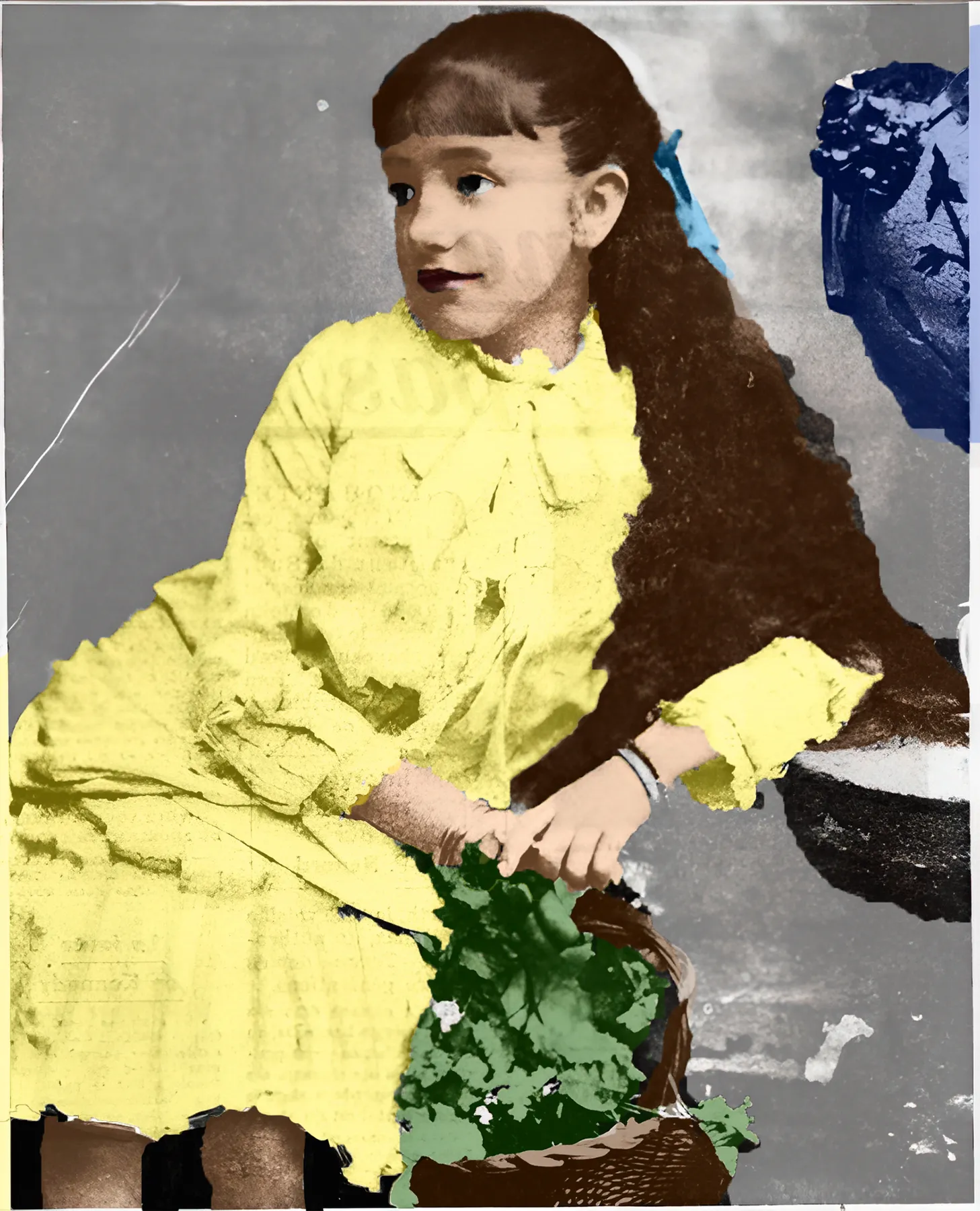
Their mother, Irène Cahen d'Anvers, had become Catholic after divorcing her husband, Moïse de Camondo, and thus survived the genocide. As the only surviving member of the Camondo family after the war, Irène became heir to the entire family, and this deep-rooted family came to an end with her in 1963.